What is GABA in GABA teas?
Answering to the question.
SOUNDS IMPORTANT
tata
12/1/20253 min skaitymo
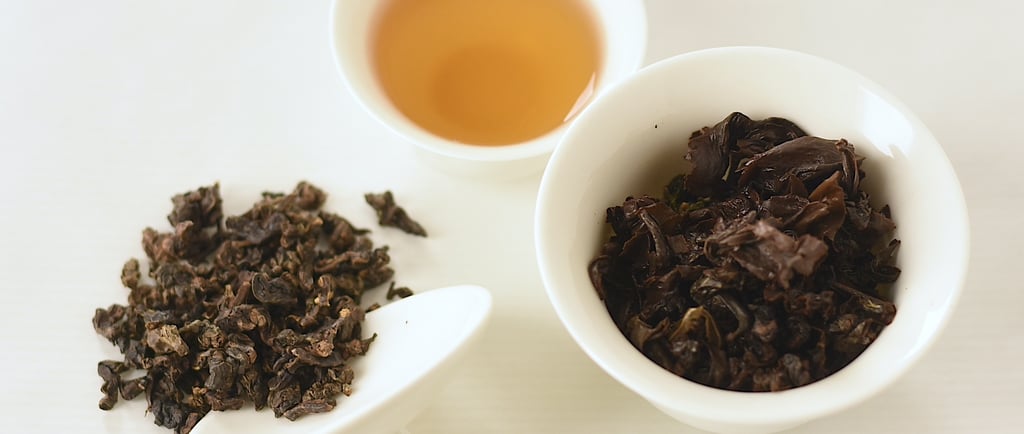
"GABA (γ-aminobutyric acid, 4-aminobutanoic acid) is a small non-protein amino acid that is found in animals, bacteria, fungi, insects, and plants. It was first found in potatoes (Steward, 1949) and has many functions for example as a neurotransmitter a metabolite, and as a neurotrophic factor in the brain. GABA plays a pivotal role in the regulation of stress responses in the body centrally and peripherally."*
*Source: GABA, epigallocatechin gallate, tea, and the gut-brain axis,Tina Hinton, Graham A.R. Johnston,Neurochemistry International,Volume 180,November 2024, 105860
Before we unfold what’s the technology that increases GABA amounts in tea, let me mention, that GABA-enriched products are in general… a thing.
For example, due to genetic engineering, there are various GABA-enriched foods existing, like tomatoes. Also, GABA is a well known oral supplement used widely in pharmacology.
The interest in such neuro-nutraceutical products has always been high due to hypotensive and stress reducing effects. But it’s more than just that.
To increase the amounts of GABA in tea, leaves of Camelia Sinensis are treated in anoxic conditions.
"Several methods, including filled-N2 treatment, filled-CO2 treatment, cycling anaerobic and aerobic incubation, and microbe-fermentation, have been used to enhance the GABA content in teas and resulted in a GABA content of 3.535 (Tsushida & Murai, 1987), >5 (Chen et al., 2018), >7 (Sawai, Yamaguchi, Miyama, & Yoshitomi, 2001), and ~7.4 mg/g (Jeng, Chen, Fang, Hou, & Chen, 2007), respectively. Most of these methods included a key manufacturing process of anaerobic treatment (Lin et al., 2004)."**
**Source: A nontargeted and targeted metabolomics study on the dynamic changes in metabolite levels during the anaerobic treatment of γ-aminobutyric acid (GABA) tea,Weidong Dai 1, Dongchao Xie 1, Zhiyuan Lin, Chen Yang, Qunhua Peng, Junfeng Tan, ZhiLin, LWT, Volume 126, May 2020, 109313
So, what’s about consuming GABA-enhanced tea?
First of all, it’s safe and delicious.
Secondly, increased GABA together with other polyphenols and flavonoids may reduce stress, anxiety, promote sleep and reduce high blood-pressure. But it is still subjective and may perform different.
Tea enriched with gamma-aminobutyric acid was first produced and mentioned in Japan, in 1987, below you can find the initial article.*** At the time, main focus in such novel tea type was drawn to its nutraceutical traits – aka health benefits.
Yet with spreading dissemination of this technology, it reached Taiwanese tea masters who are known for their expertise in oolong tea production. Their produced GABA tea has complex and rich flavor profiles and yet doesn’t loose its benefits. Let’s unpack such oolong production method…
***Production of a New Type Tea Containing a High Level of ϒ-Aminobutyric Acid, Tojiro TSUSHIDA, Toshinobu MURAI, Masashi OMORI, Jyunko OKAMOTO, J-stage, 1987 Volume 61 Issue 7 Pages 817-822
So that’s a shortened script, not from an actual producer, meant for overall understanding.
Following the harvesting…:
1.Leaves undergo solar withering – this step it’s meant to dehydrate leaves, and to reduce the leaf turgor pressure, to concentrate amino acids, catechins, caffeine…, to reduce grassy aldehydes, also to activate enzymatic oxidation and to activate lipoxygenase pathway which activates fruity, tutty, floral volatiles, basically aroma get emphasized, biterness gets reduces, and it overall contributes to the leaf color…
But when we talk about GABA, it’s important to note that during solar withering, glutamate is increasing so there is enough of it for the next steps, as GABA is mainly produced from L-glutamic acid.
2.Then leaves go into sealed airtight nitrogen chambers (steel cylinders) for around 10 hours. This is exactly where GABA is increased, leaves are forced into anaerobic respiration. There can be three cycles of such fermentation and turn-overs, that is when accumulation of GABA, succhinic acid and lactate are happening. Also – the distinct baked fruity, sweet happy notes are being born.
3.Kill green. Heating of the leaving. That’s when the formation of GABA is being stopped.
4.Then rolling and drying. Stabilizing the aroma compounds, etc.
So, such extended method of production creates our favorite oolong tea.
That we love for its distinct aroma of bananas, plums, abricots, but also baked as a cake; it is sweet, tangy, reminds of a dark black tea, yet has this complex fruity compot notes and is very well performing in various styles of brewing. Smells happy, tastes happy. Keeps you focused, yet less agitated, maybe relaxed, maybe less annoying.
References:
GABA, epigallocatechin gallate, tea, and the gut-brain axis,Tina Hinton, Graham A.R. Johnston,Neurochemistry International,Volume 180,November 2024, 105860
Source: A nontargeted and targeted metabolomics study on the dynamic changes in metabolite levels during the anaerobic treatment of γ-aminobutyric acid (GABA) tea,Weidong Dai 1, Dongchao Xie 1, Zhiyuan Lin, Chen Yang, Qunhua Peng, Junfeng Tan, ZhiLin, LWT, Volume 126, May 2020, 109313
Production of a New Type Tea Containing a High Level of ϒ-Aminobutyric Acid, Tojiro TSUSHIDA, Toshinobu MURAI, Masashi OMORI, Jyunko OKAMOTO, J-stage, 1987 Volume 61 Issue 7 Pages 817-822
Chaiculator
hello@chaiculator.com
© 2024. All rights reserved.
MB "Chaiculator"
Maisto tvarkymo subjekto kodas: 130023542
Dėl B2B, verslo partnerysčių bei arbatos RENGINIAMS kreiptis į hello@chaiculator.com